
When 59-year-old Adelaide factory worker Mark Reynolds reviewed his superannuation statement earlier this year, he felt a wave of anxiety. His balance sat just above $480,000 — solid progress, he thought — until he read that financial experts now estimate Australians may need more than $630,000 to retire comfortably in 2026.
“I always thought half a million would be enough,” he said. “Now it feels like the goalposts have moved.”
As living costs remain elevated and retirement expectations evolve, analysts warn that 2026 could be one of the toughest years yet for Australians preparing to leave the workforce. The rising benchmark of $630,000+ reflects higher daily expenses, longer life expectancy, and shifting financial realities.

Here’s why the retirement target has increased — and what it means for workers and retirees right now.
Why the $630,000 Target Is Gaining Attention
The updated benchmark is based on modelling that assumes retirees want a “comfortable” standard of living — not extravagant, but allowing for:
- Regular groceries and dining.
- Private health insurance.
- Modest domestic travel.
- Reliable transport.
- Home maintenance and repairs.
- Energy and utility bills.
- Medical and dental expenses.
Financial planner Claire Donovan explains, “It’s not about luxury. It’s about maintaining dignity and independence in retirement.”

For couples, the combined balance target is typically even higher.
What’s Driving the Increase in 2026?
Several economic pressures are contributing to the higher retirement savings estimate:
- Grocery prices that remain above pre-2022 levels.
- Insurance premiums rising across home and health policies.
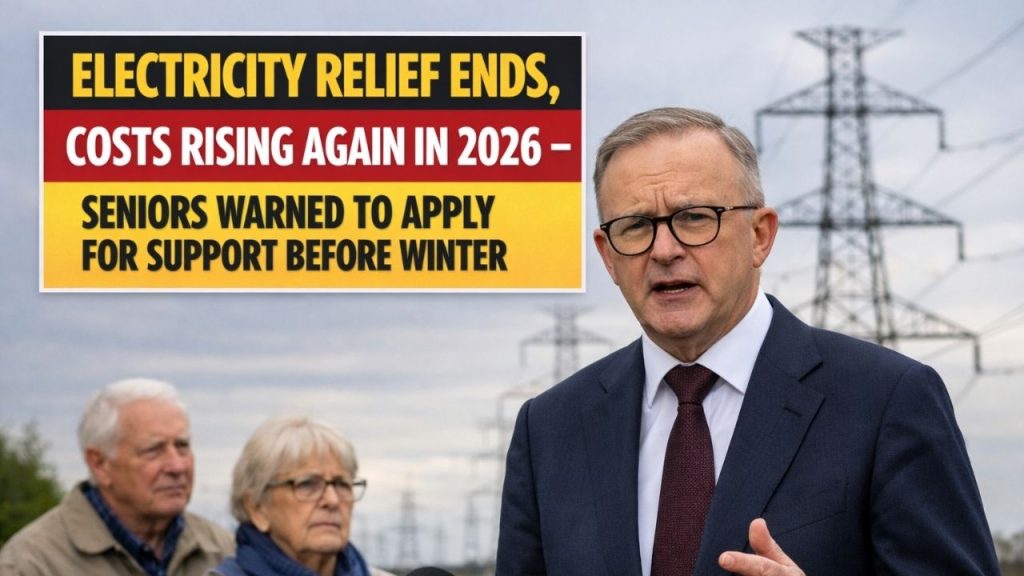
- Electricity and gas bills climbing after the end of national rebates.
- Increased healthcare out-of-pocket costs.
- Longer life expectancy, requiring savings to last 20–30 years.
While inflation has moderated from peak levels, the baseline cost of living has reset significantly higher than in previous years.

Economist Dr. Hannah Collins notes, “Even with inflation slowing, the accumulated price increases remain.”
How the Age Pension Fits In
The Age Pension continues to act as a safety net.
For many retirees:
- Superannuation provides primary income.
- The Age Pension supplements remaining needs.
- Means testing determines eligibility.
- Higher super balances reduce pension entitlement.
The $630,000 figure assumes a combination of super drawdowns and partial pension eligibility.
However, retirees who rent rather than own their home may require substantially higher savings.
Real Stories Behind the Numbers
In Brisbane, 62-year-old nurse Karen Mitchell worries she may not reach the target before retiring.

“I’ve worked full-time most of my life,” she said. “But I’m still short.”
Meanwhile, Melbourne retiree Susan Clarke, who holds around $650,000 in super, says rising expenses are noticeable.
“It’s manageable,” she said. “But there’s no room for big surprises.”

These experiences reflect the tension between theoretical targets and real-life budgeting.
Comparison Table: Retirement Savings Over Time
| Year | Estimated Comfortable Retirement Target (Single) |
|---|---|
| 2018 | Lower benchmark |
| 2022 | Increased due to inflation spike |
| 2026 | $630,000+ estimate |
| Couple Estimate (2026) | Higher combined requirement |
Retirement targets shift with economic conditions.
Is $630,000 Enough for Everyone?
No — retirement needs vary.

Factors that influence required savings include:
- Home ownership status.
- Health condition.
- Desired travel and lifestyle.
- Debt levels at retirement.
- Investment performance.
- Longevity.
Some retirees may live comfortably with less, particularly if they qualify for the full Age Pension and own their home outright.
Others may need significantly more.

The Role of the 12% Super Guarantee
In 2026, the Superannuation Guarantee has reached 12%, meaning employers now contribute 12% of wages into workers’ super funds.
Over time, this higher rate will:
- Improve retirement balances for younger workers.
- Reduce reliance on the Age Pension.
- Help future retirees approach benchmark targets more easily.
However, those nearing retirement may not fully benefit from the long-term compounding effect.
Why 2026 Feels Harder Than Previous Years
Several converging factors make 2026 particularly challenging:
- Energy rebates have ended.
- Centrelink compliance reviews are tightening.
- Asset test scrutiny is increasing.
- Super tax reforms for high balances are taking effect.
- Insurance and council rates remain elevated.
Financial planner Mark Evans says, “Retirement planning today requires more active monitoring than ever before.”
What Workers Should Do Now
- Check your current super balance.
- Calculate projected savings at retirement age.
- Consider voluntary salary sacrifice contributions.
- Review super fund fees and performance.
- Monitor contribution caps.
- Seek professional advice for retirement planning.
Small additional contributions now can significantly improve long-term outcomes.
Frequently Asked Questions
1. Do I need $630,000 to retire?
It is an estimate for a comfortable lifestyle — not a legal requirement.
2. What about couples?
Couples generally need a higher combined balance.
3. Does this assume home ownership?
Yes.
4. Can I retire with less?
Yes, but lifestyle expectations may differ.
5. Does the Age Pension help?
Yes, it supplements super income.
6. Will the 12% super rate improve outcomes?
Yes, over time.
7. What if I’m behind the target?
Consider working longer or increasing contributions.
8. Are healthcare costs a major factor?
Yes.
9. Will retirement targets keep rising?
They adjust with economic conditions.
10. Is renting in retirement riskier financially?
It usually requires higher savings.
11. Does investment performance matter?
Absolutely — returns influence final balance.
12. Can downsizing help?
Yes, it may release housing equity.
13. Should I consolidate multiple super accounts?
It may reduce fees.
14. Is professional advice necessary?
It can significantly improve planning clarity.
15. Where can I calculate projections?
Through super fund retirement calculators or financial advisers.
The retirement cost crisis of 2026 reflects a broader shift in Australia’s economic landscape. With higher living costs and tighter compliance rules, achieving a comfortable retirement now demands careful planning and realistic expectations.
For Australians approaching retirement, the $630,000 benchmark serves not as a barrier — but as a wake-up call to review savings, reassess goals, and strengthen financial strategies for the years ahead.







Leave a Comment